Marker #1220 “Lindsey Cemetery”
Located on Carl Stevens Road just north of Shelter Lane, this marker sits close to a cow fence line and can be difficult to find. The roadway offers no shoulder to park on and a private property sits on the opposite side. Please do not trespass and maintain road awareness.
Text
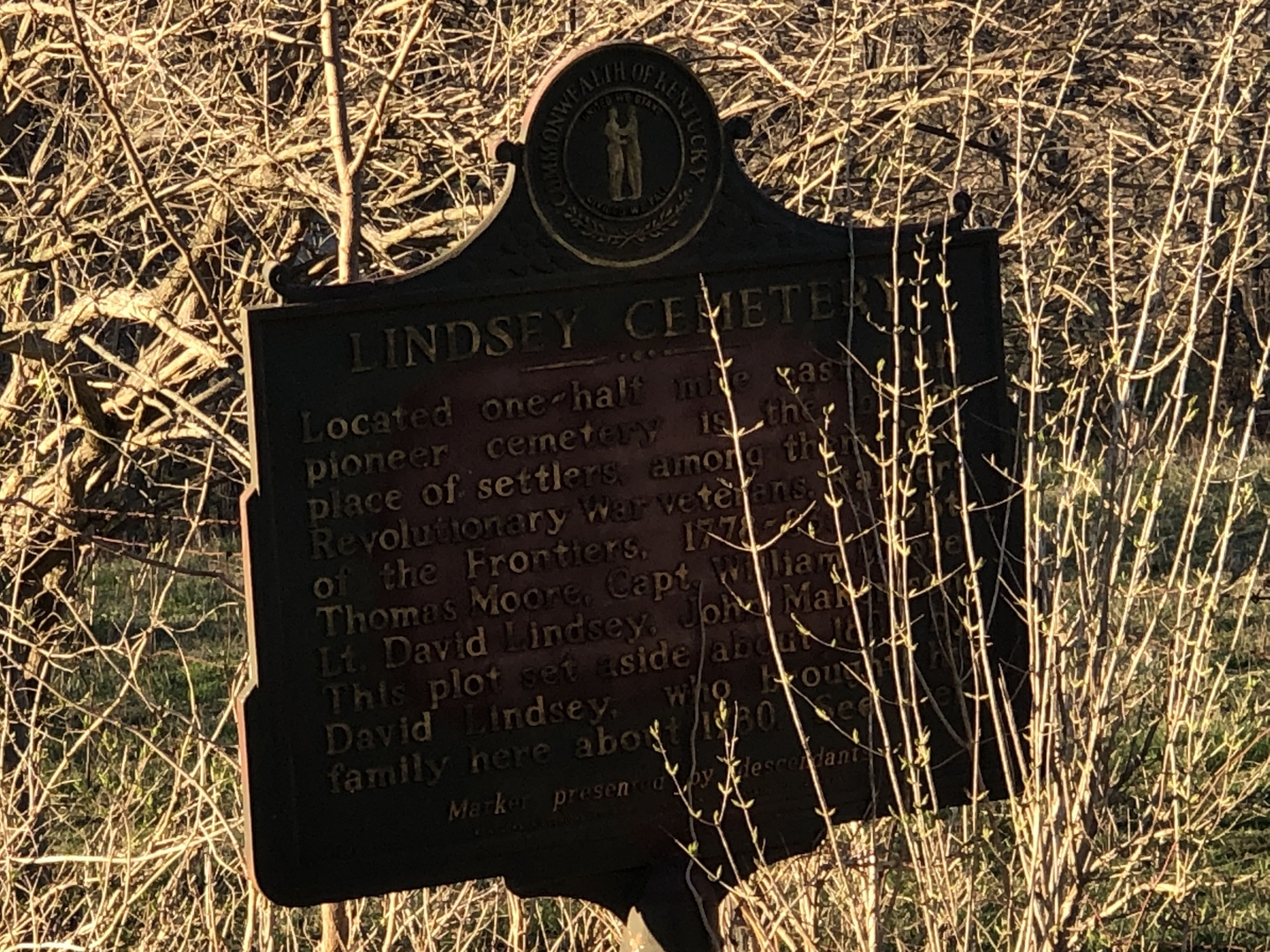
Historical Marker #1220, “Lindsey Cemetery,” commemorates the burial place of four Revolutionary War veterans: Lieutenant David Lindsey, Captain Thomas Moore, Captain William Moore, and John Makemson.
Lindsey, Thomas Moore, and William Moore were all commanders in the Pennsylvania militia known as the “Rangers of the Frontier.” The rangers were groups of wilderness militiamen who protected the western frontier of Pennsylvania from the British and Native Americans who operated out of Detroit and Canada.
Lindsey served as Harrison County’s first coroner when the county was established in 1794. Records show that he was taxed for three hundred acres of land on Mill Creek, which he owned until the time of his death in April 1814.
Following Lindsey's demise, the family cemetery remained on the dower lands assigned to his widow, Nancy. Lindsey had twelve children at the time of his death.
Thomas Moore most likely settled in Kentucky with Lindsey. Some of the strongest evidence is that Lindsey bought the land on Mill Creek from Thomas Moore.
From the land tax records, we know that Lindsey and Moore were neighbors intertwined in the founding of Harrison County.
Moore died on October 23, 1823, leaving behind his wife, Mary Harrison Moore.
William Moore was also a ranger on the frontier. He arrived in Harrison County with Lindsey and Thomas Moore. He was appointed the first county clerk in 1794 and served until 1815.
John Makemson was the only veteran out of the four buried at Lindsey Cemetery who was not part of the rangers. Makemson was one of five siblings who served in the Pennsylvania militia. Two of his brothers, Andrew and James, died at the Battle of Fort Mifflin.
Makemson’s military record did not survive; the official rosters were sent to Washington, D.C., where they were destroyed in fires set by the British during the War of 1812. Since Makemson died in 1814, before Revolutionary War pension claims were passed into law, the only legal record known about his service is an affidavit from his wife, Elizabeth, who helped with the claim for Makemson’s brother, Thomas, in 1829.
In the affidavit, she says, “I married John Makemson while he belonged to the militia service of the American Revolution and I recollect that at one time Thomas Makemson who belonged to the Regular Service of the Revolution came to my house with my husband John Makemson.”
Makemson established an early mill and distillery in Harrison County, though it was short lived due to his death in 1814. One of descendants opened the county’s first official distillery in 1860.
Files
File #4295: [Untitled]
Source: Used with permission from https://www.hmdb.org/m.asp?m=136772.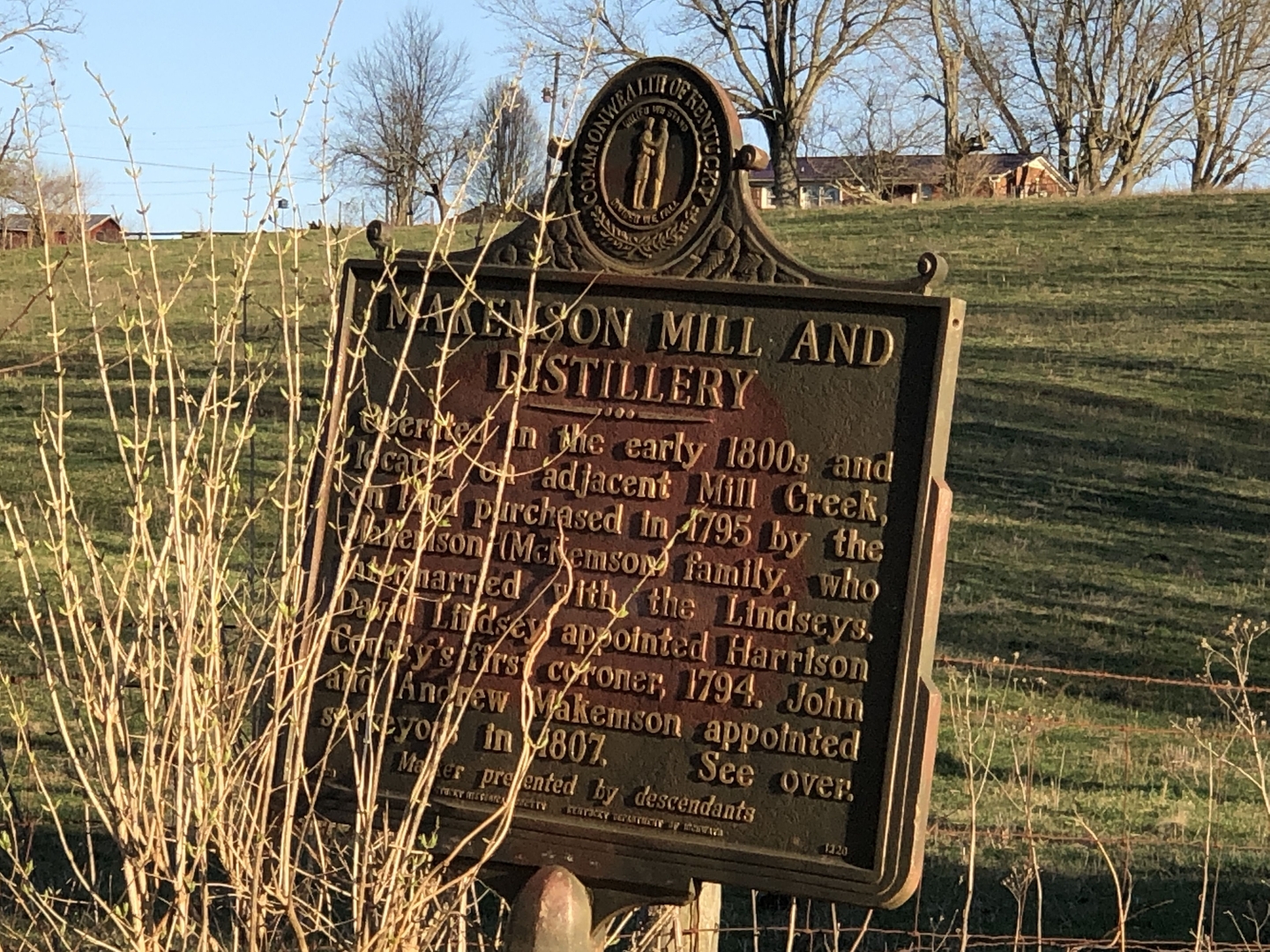
File #4296: [Untitled]
Source: Used with permission from https://www.hmdb.org/m.asp?m=136772.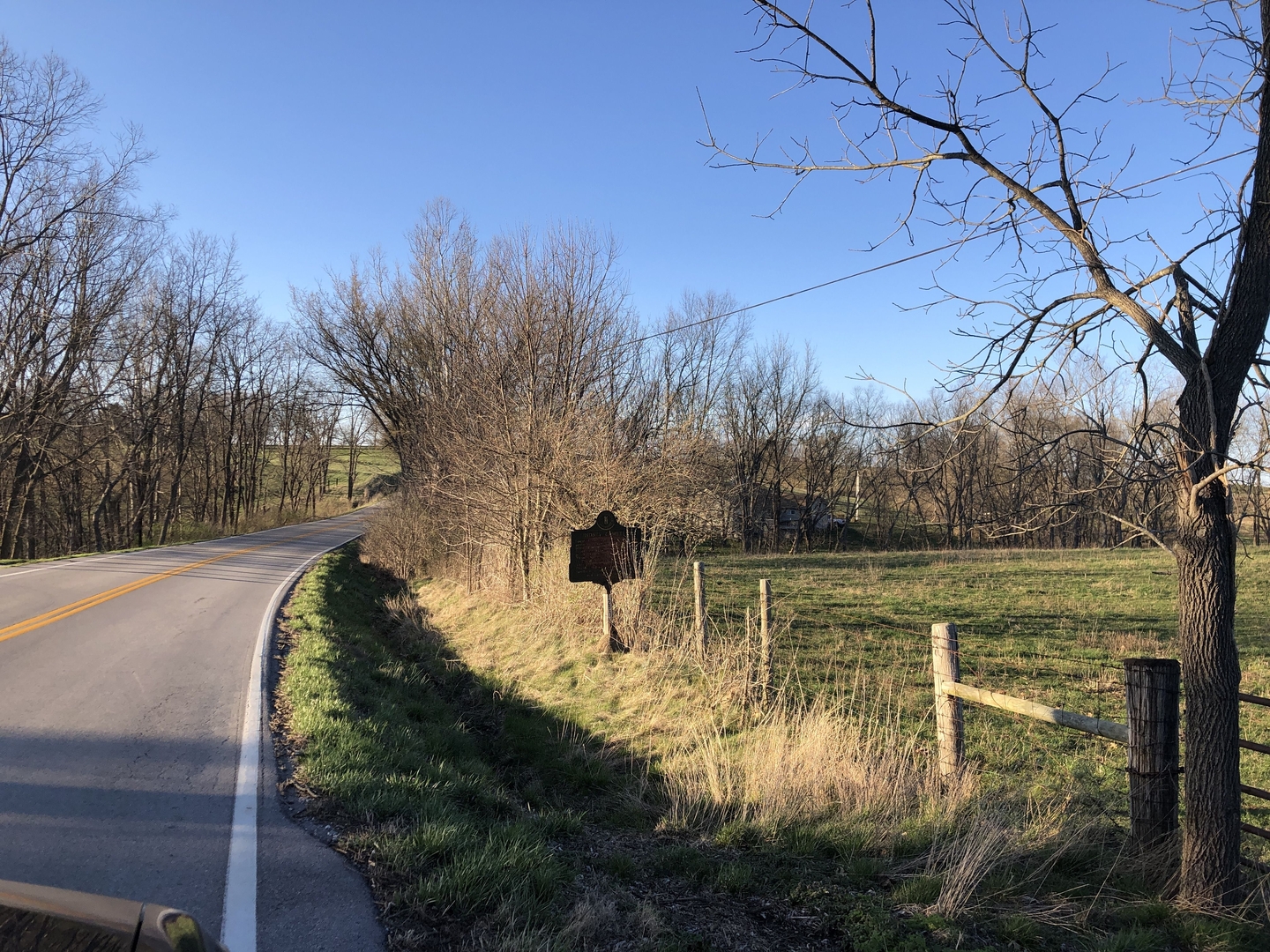
File #4297: [Untitled]
Source: Used with permission from https://www.hmdb.org/m.asp?m=136772.Map
Lindsey, Thomas Moore, and William Moore were all commanders in the Pennsylvania militia known as the “Rangers of the Frontier.” The rangers were groups of wilderness militiamen who protected the western frontier of Pennsylvania from the British and Native Americans who operated out of Detroit and Canada.
Lindsey served as Harrison County’s first coroner when the county was established in 1794. Records show that he was taxed for three hundred acres of land on Mill Creek, which he owned until the time of his death in April 1814.
Following Lindsey's demise, the family cemetery remained on the dower lands assigned to his widow, Nancy. Lindsey had twelve children at the time of his death.
Thomas Moore most likely settled in Kentucky with Lindsey. Some of the strongest evidence is that Lindsey bought the land on Mill Creek from Thomas Moore.
From the land tax records, we know that Lindsey and Moore were neighbors intertwined in the founding of Harrison County.
Moore died on October 23, 1823, leaving behind his wife, Mary Harrison Moore.
William Moore was also a ranger on the frontier. He arrived in Harrison County with Lindsey and Thomas Moore. He was appointed the first county clerk in 1794 and served until 1815.
John Makemson was the only veteran out of the four buried at Lindsey Cemetery who was not part of the rangers. Makemson was one of five siblings who served in the Pennsylvania militia. Two of his brothers, Andrew and James, died at the Battle of Fort Mifflin.
Makemson’s military record did not survive; the official rosters were sent to Washington, D.C., where they were destroyed in fires set by the British during the War of 1812. Since Makemson died in 1814, before Revolutionary War pension claims were passed into law, the only legal record known about his service is an affidavit from his wife, Elizabeth, who helped with the claim for Makemson’s brother, Thomas, in 1829.
In the affidavit, she says, “I married John Makemson while he belonged to the militia service of the American Revolution and I recollect that at one time Thomas Makemson who belonged to the Regular Service of the Revolution came to my house with my husband John Makemson.”
Makemson established an early mill and distillery in Harrison County, though it was short lived due to his death in 1814. One of descendants opened the county’s first official distillery in 1860.